
Talking Openly About Mental Health
Dec 10, 2025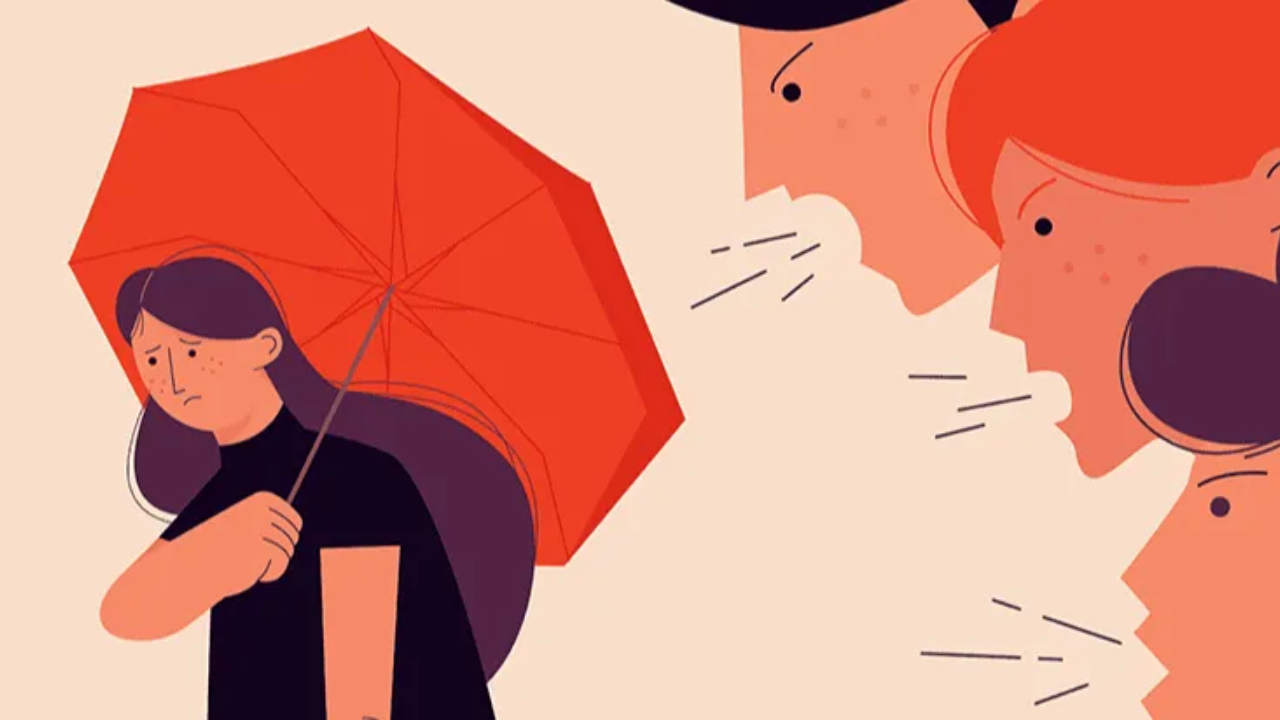
We talk freely about broken bones, allergies, and high cholesterol. So why is it still so hard to say “I’m struggling with anxiety” or “I have depression”?
Even in 2025—with increased awareness and social media movements—the stigma around mental health remains a major barrier to healing, understanding, and support. It affects how people view therapy, how they disclose their emotions at work or school, and even how they speak to themselves.
This blog explores the roots of mental health stigma, how it shows up today, and—most importantly—how we can each help break it down.
What Is Mental Health Stigma?
Mental health stigma refers to negative beliefs, stereotypes, or attitudes about mental health challenges and the people who experience them.
There are two main types:
1. Social Stigma
Judgment from others—like believing that depression is a weakness or that therapy is for “crazy” people.
2. Self-Stigma
Internalized shame—when you start believing those judgments yourself:
“I should be stronger than this.”
“No one will understand.”
“If I ask for help, I’ll be seen as weak.”
Stigma doesn’t just hurt feelings—it prevents people from seeking help, getting support, and fully participating in life.
Despite progress, stigma sticks around. Here’s why:
🔁 Cultural Conditioning
In many cultures and communities, mental health is still taboo. Emotional pain is often dismissed as laziness, lack of faith, or personal failure.
📰 Media Misrepresentation
Movies and TV often portray mental illness in extreme or violent ways, reinforcing fear and misunderstanding.
💼 Workplace Pressure
Many employees worry that being open about mental health struggles will make them seem less competent, promotable, or dependable.
💬 Misused Language
Phrases like “That’s so OCD” or “He’s totally bipolar” minimize real experiences and perpetuate harmful stereotypes.
The Cost of Staying Silent
-
🚫 60% of people with a mental illness don’t seek treatment—often due to fear or shame.
-
🧑💻 At work, employees are more likely to take sick days for physical health than mental health—even when emotional distress is just as debilitating.
-
🧍♀️ Isolation grows when people feel they must “keep it together” or mask their symptoms.
Silence creates suffering. Speaking up can change lives.
Case Study: Leo, 44, Corporate Manager
Before: Leo struggled with panic attacks but kept them hidden at work. He feared being seen as unstable or weak.
Breakthrough: After opening up to HR, he discovered several colleagues also experienced anxiety. He started a monthly mental health lunch group at the office.
Result: Not only did his symptoms improve with support and therapy, but workplace culture became more open, with employees now freely discussing mental health tools and coping strategies.
Mental health stigma thrives in silence. The more we talk—honestly, kindly, and often—the more we dissolve the fear, shame, and isolation that keep people suffering.
You don’t need to have all the answers. Just be willing to start the conversation.
Your voice matters. And your vulnerability might be someone else’s turning point.
This week, try one of the following:
-
Share a mental health resource or quote on social media
-
Ask a friend, “How’s your mental health lately?”—and really listen
-
Practice saying, “I’m not okay right now, and that’s okay”
Every small step chips away at stigma. Be part of the shift.
